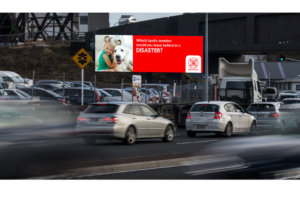
The Governance and Administration Select Committee released into final report into the Emergency Management Bill No. 2 and many of our recommendations have been passed.
In 2023, Animal Evac New Zealand emptied its bank accounts to fund the country’s largest animal disaster law reform campaign: No Animal Left Behind. That investment became a major driver of public engagement, helping mobilise the highest number of public submissions on the Emergency Management Bill and contributing to a strong majority of submissions calling for better protection of animals in emergencies.
Evidence of that impact was later published in PETS (MDPI), a peer-reviewed journal. The article was significant not only because it documented the influence of the campaign, but also because it represented only the second known empirical study of public submissions on a bill in New Zealand.
The Emergency Management Bill (No. 2) must still complete further parliamentary stages before becoming law, but we are encouraged that the proposed framework provides stronger protection for animals than previous legislation. In particular, the inclusion of animals in regional emergency management planning marks an important step forward for New Zealand, even if it only brings the country closer to standards reflected in United States legislation enacted about two decades ago.
Even so, the Bill is not yet world-leading, and several important opportunities remain unresolved.
We know from documents released under OIA, that the advocacy work of AENZ was a key reason for legislative change – not bad for a little charity with no staff, no vehicles, no buildings and a bank balance less than $900 now. We took a courageous decision to put all our efforts into getting legislative change, knowing this would ultimately save more animals through mitigation rather than investing in waiting to animals to suffering disaster harm before acting.
We are thankful to the Select Committee who took heed of our evidence-based submission and New Zealand can look forward to no animals being left behind in future disasters. Thank you to all our volunteers who have never given up on our vision to create animal-inclusive disaster resilient communities.
Read the Select Committee’s Final Report here.
Read our review of the Select Committee’s Final Report here.